It’s well-known that the four pillars of good health are quality sleep, regular exercise, mental wellbeing and nutrition – but how do these factors interact with each other?
Most of us eat to maintain a healthy diet, but not many of us choose foods with the purpose of improving our sleep. Did you know there are certain foods that trigger a sleep-inducing hormonal response and work to calm the nervous system? For those who suffer from insomnia or sleep deprivation, knowing which foods can improve sleep is invaluable.
Here are 15 foods that are scientifically proven to help you sleep
Honey: Honey helps you sleep because it contains glucose which lowers levels of orexin, a neurotransmitter that raises your level of alertness.
One teaspoon of honey before bed is also proven to help re-stock our liver with glycogen – or the fuel we need to make it through the night without food. If you can make it raw honey, that’s a plus!
Tryptophan is an essential sleep-inducing amino acid present in some foods (read on through our list to find out which ones contain it). The natural sugars in honey also encourage sleep by carrying tryptophan through the blood stream and into the brain.

Tea: The tried-and-true mug of chamomile tea before bed is a well-known sleep remedy for a reason.
The chamomile herb has calming effects on the brain and body – and a warm cup of (non-caffeinated) tea before bed may be just what you need to help you drift off to a peaceful, deep sleep.

Milk: That glass of warm milk our parents gave us as children before bed actually did do something good.
Dairy is a natural source of the sleep-inducing tryptophan amino acid. Tryptophan helps you sleep by boosting melatonin, the chemical that promotes a regular sleep cycle. And aside from the science, warm milk has traditionally been enjoyed before bed as it can provide a calming effect. If you’re tossing and turning, unable to sleep, try a glass of warm milk to help you settle.
Bananas: Delicious and nutritious, bananas are high in potassium, a mineral that is essential to achieving a deep night’s sleep.
Bananas are also nature’s sedative, as they contain both tryptophan and magnesium. Grab a banana before you go to sleep to benefit from this natural mineral hit while alleviating any feelings of hunger before bedtime.
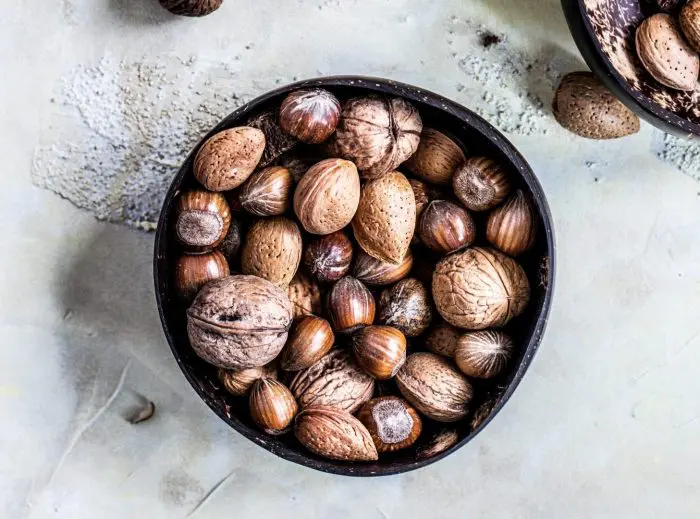
Nuts: A handful of nuts are a great bedtime snack, as they boost serotonin levels in the brain.
Nuts are an excellent source of magnesium and tryptophan. Walnuts, flax seeds, pumpkin seeds, and sunflower seeds contain the highest levels of tryptophan.
Whole Grains: If you’re feeling a little restless before bedtime, reach for a piece of whole-grain bread.
Whole grains encourage the production of insulin, which helps neurons to process tryptophan.
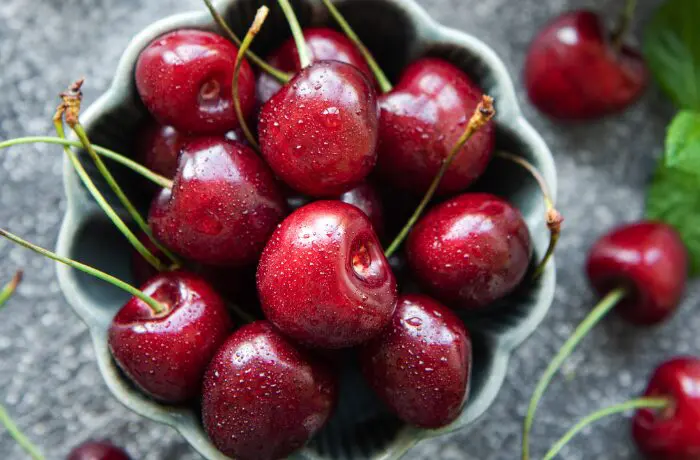
Cherry Juice: Cherries are high in melatonin.
A study published in the European Journal of Nutrition found that drinking tart cherry juice concentrate increased melatonin levels and improved sleep quality, helping participants sleep longer and more efficiently. Keep cherry juice in your fridge for a refreshing bedtime drink.
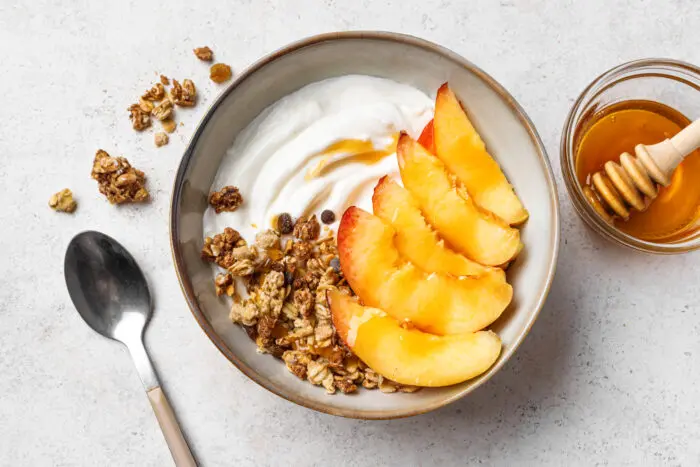
Yoghurt: Craving some dessert after dinner? We’ve got just the thing – a small bowl of yogurt, topped with some delicious oats or whole grains.
Yoghurt contains calcium, which is needed for processing sleep-inducing hormone melatonin. What’s more, it’s a delicious alternative to ice cream (for those among us with a sweet tooth).
Poultry: Ever heard the saying that turkey makes you sleepy?
This proves to hold some truth, as poultry such as turkey and chicken is high in tryptophan. If you’re feeling hungry before bedtime, nibble on a piece of lean chicken breast, or put a slice of turkey on a piece of whole-grain bread for a strategic, before-bed snack.
Beans: Beans naturally contain a B vitamin complex.
Beans contain a nice little combination of B vitamins like B6, niacin, and folate, which help the brain in many ways. B vitamins have long been used to treat insomnia, and helps to alleviate stress and anxiety.

Eggs: Eggs are also a good source of tryptophan.
Eggs are also a good source of tryptophan, an amino acid that helps the body produce serotonin and melatonin, two hormones that play an important role in regulating the sleep cycle.
Enjoying a hard boiled egg in the evening can be a simple way to support these natural processes. Pair it with a warm cup of tea and a touch of honey for a light, comforting snack that helps your body relax and prepare for a restful night’s sleep.
Chickpeas: Chickpeas may just be the miracle legume; proven to help keep your appetite in check, they’re also high in vitamin B6.
Vitamin B6 plays an important role in helping your body produce serotonin, the feel-good hormone. Try incorporating chickpeas into your dinner, or whizz up some homemade hummus to keep in the fridge for a late-night snack.
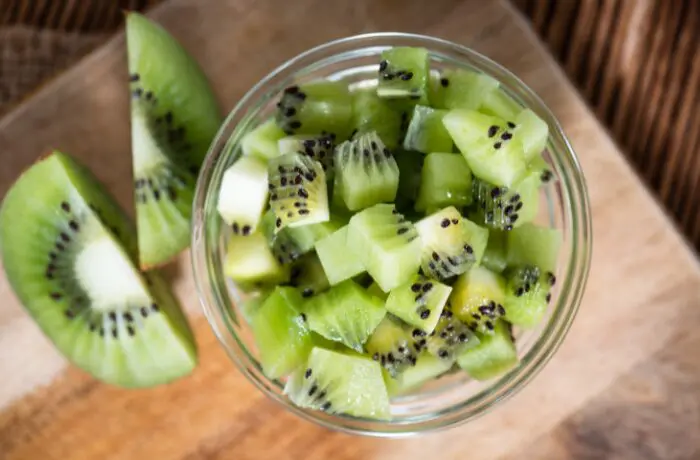
Kiwi Fruit: Studies show that eating one or two kiwis about an hour before bedtime can improve sleep quality and help you wake up feeling more refreshed.
Research published in the journal Nutrients explored this connection by asking 15 elite athletes to eat two kiwifruit one hour before bedtime over a four week period. By the end of the study, participants experienced improvements in both sleep quality and duration.
Kiwifruit are rich in serotonin, a hormone that helps regulate the sleep cycle, as well as vitamin C and antioxidants that support relaxation and reduce stress in the body. Together, these nutrients may help the body wind down more easily, making it simpler to fall asleep and enjoy a deeper, more restorative night’s rest.
Grapes: Grapes are an example of a fruit that contains naturally-occurring melatonin, the chemical promoting restful sleep.
Keep some grapes in your fridge for a cool snack through the summer. And by grapes, we do mean the fruit form – contrary to popular belief, wine does not help you sleep!
Oats: Not just a breakfast food, a bowl of oats or an oatmeal cookie is a perfect evening snack.
As well as helping you feel full with their carbohydrates, oats are another natural source of melatonin.
Foods to avoid before bed

Dark chocolate: It’s common knowledge to avoid coffee in the evenings, but did you that dark chocolate contains a considerable amount of caffeine too? Avoid eating dark chocolate before bed to keep your brain and body relaxed.
Cheese: Cheese, especially hard cheeses like swiss, parmesan, cheddar and camembert, is hard to digest due to their high amount of saturated fat. This gives the digestive system extra work, effectively making it more difficult to rest and fall asleep. Craving a cheese platter? Enjoy it at lunch with friends, instead of before bed.
Red meat: Though red meat contains beneficial protein and iron, its high content of saturated fat makes it very difficult for the body to digest. If red meat is part of your diet, try steering clear of it at dinnertime and having that steak or beef burger with lunch instead.
Tomatoes: Tomatoes contain high amounts of tyramine, a chemical that stimulates the brain and delays sleep. Avoid tomatoes before bedtime if you don’t want your mind to be rushing and alert.
Disclaimer: This information is for general purposes only and is not a substitute for professional medical advice. Always consult your doctor or a qualified healthcare provider before making changes to your diet, supplements, or sleep routine, especially if you have any medical conditions or are taking medications.