What happens to your sleep when the seasons begin to shift?
As the intensity of summer fades and the air turns crisp, autumn brings a noticeable shift in rhythm. Evenings arrive earlier. Temperatures soften. Routines begin to settle.
While seasonal change can sometimes disrupt sleep, autumn in Australia often creates some of the most favourable natural conditions for deeper, more restorative rest. With a few mindful adjustments, this time of year can work beautifully in your favour.
Cooler Nights Support Your Body’s Natural Sleep Process
Sleep is not just about feeling tired. It is a carefully regulated biological process closely linked to core body temperature.
In the evening, your body temperature begins to drop as part of your circadian rhythm. This cooling process signals that it is time to wind down. A bedroom environment that supports this drop allows you to fall asleep faster and spend more time in deeper sleep stages.
The Sleep Foundation recommends a bedroom temperature of around 18 to 20 degrees Celsius for optimal sleep. During autumn, overnight temperatures often sit much closer to this range than in summer, when overheating frequently causes tossing and turning.
When your room is naturally cooler:
-
You are less likely to wake due to heat discomfort
-
Your body can move more smoothly through each sleep cycle
-
Deep, restorative sleep is more achievable
Seasonal adjustment tip
As nights continue to cool, avoid jumping straight to heavy winter bedding. Instead, layer breathable natural fibres such as cotton or linen so you can adapt as temperatures fluctuate overnight.

Earlier Sunsets Help Reset Your Body Clock
Light exposure plays a powerful role in regulating melatonin, the hormone responsible for signalling sleep.
According to the National Sleep Foundation, reduced light in the evening naturally encourages melatonin production, helping you feel sleepy at an appropriate time.
Autumn’s earlier sunsets can gently guide your body toward a more consistent bedtime. Unlike summer, when long daylight hours can delay sleep onset, darker evenings create a natural cue to slow down.
Benefits of this seasonal shift include:
-
Easier transition into sleep
-
More stable circadian rhythms
-
Improved sleep consistency across the week
Seasonal adjustment tip
Artificial lighting and screens can override this natural signal. Dimming lights earlier in the evening and reducing screen exposure before bed allows you to fully benefit from the earlier darkness.

A Psychological Shift Toward Slower Evenings
Beyond temperature and light, autumn often brings a mental shift. Social calendars calm after summer. Travel slows. Evenings are more likely to be spent indoors.
This slower pace can positively influence sleep habits by:
-
Encouraging regular bedtimes
-
Supporting calming wind down rituals
-
Reducing late night overstimulation
Autumn is an ideal time to establish habits that feel harder to maintain in brighter, busier months. Reading before bed, taking a warm shower, journalling, or simply creating a peaceful bedroom environment can all strengthen sleep quality.

Autumn Allergies: A Small Seasonal Watch Out
While spring is commonly associated with hay fever, autumn presents its own triggers. Fallen leaves can increase mould spores, and as temperatures drop, homes are closed up, increasing exposure to indoor dust and dust mites.
The Australasian Society of Clinical Immunology and Allergy identifies mould and dust mites as common allergy triggers during cooler months. Night time congestion, itchy eyes and post nasal drip can fragment sleep and reduce time spent in deeper stages.
How to minimise disruption
-
Wash sheets weekly in hot water
-
Use a quality mattress protector
-
Vacuum and dust regularly
-
Air out bedrooms during the day when possible
Maintaining a clean, breathable sleep environment becomes particularly important at this time of year.

Creating an Autumn Ready Sleep Environment
Autumn offers an opportunity to refresh your sleep space and align it with the season.
Consider:
-
Adjusting bedding to suit cooler nights
-
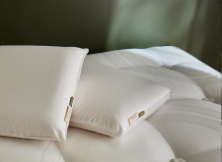
Refreshing pillows and protectors
-
Decluttering your bedroom to create a calm atmosphere
-
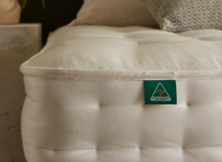
Ensuring your mattress supports airflow and breathability
We spend approximately one third of our lives in bed. As external conditions shift, your sleep environment should adapt with them.
The Takeaway
Autumn is not simply a transition between summer and winter. It is a season that naturally supports better sleep. Cooler temperatures align with your body’s biology. Earlier sunsets encourage consistent bedtimes. Slower evenings make mindful routines easier to maintain.
With small adjustments to manage allergies and maintain light exposure, autumn can become your most restorative season yet.
Cooler air. Calmer nights. Deeper rest.