The science behind sun-induced fatigue
Ever wonder why a long beach day or afternoon outdoors leaves you feeling completely wiped out? That heavy, almost jet-lagged tiredness is not just about heat or doing more than usual. It is a real biological response driven by your circadian rhythm, body temperature, hydration levels, and the way sunlight interacts with your nervous system.
In short, sunshine wakes you up, but too much of it makes your body work harder than you realise.
Sunlight and your circadian rhythm
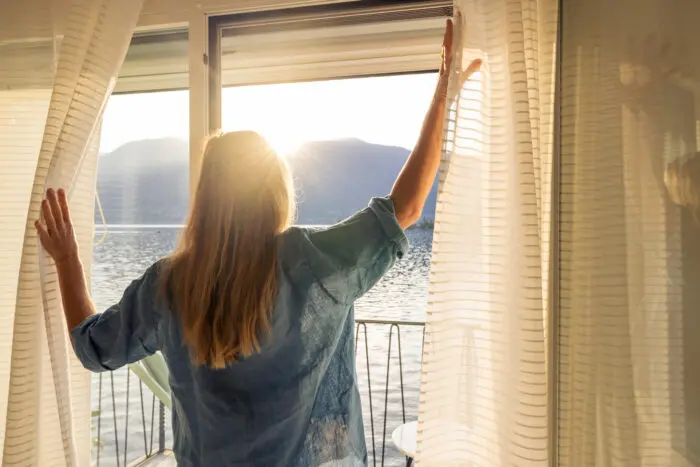
Sunlight is the most powerful regulator of your circadian rhythm, the internal 24-hour clock that controls sleep, energy, hormones, and body temperature. Morning light suppresses melatonin, the hormone that makes you sleepy, and signals to your brain that it is time to be alert and active.
This is why daylight exposure is generally good for sleep health. But when you spend extended hours in strong sunlight, especially in summer, that same system can become overstimulated.
Your brain stays in a prolonged state of alertness while your body is simultaneously under physical stress. By late afternoon or evening, the nervous system is primed for a sharp rebound into fatigue once light levels drop.
Rising core body temperature and energy drain
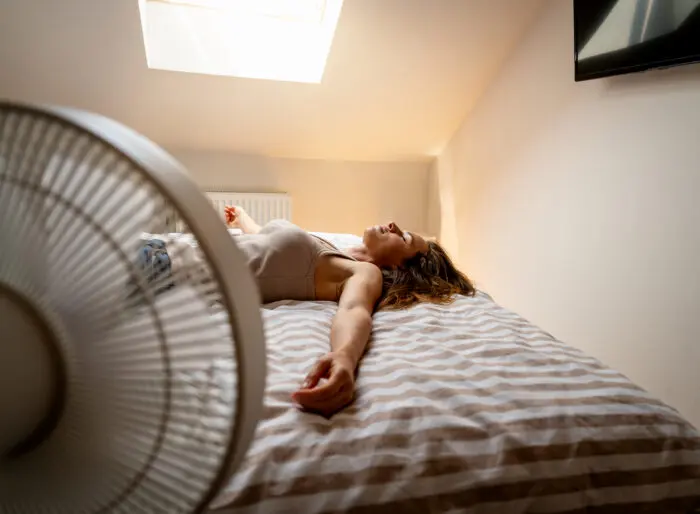
Your body functions best within a very narrow temperature range. Prolonged sun exposure raises your core body temperature, even if you do not feel overheated. To compensate, your body works continuously to cool itself through sweating and increased blood flow to the skin.
This process requires energy. The longer it continues, the more energy is diverted away from cognitive function and muscle recovery. By the end of the day, your system is effectively running on empty.
This also explains why post-sun fatigue often feels different to normal tiredness. It is not just sleepiness, but a full-body sense of depletion.
Dehydration and electrolyte loss
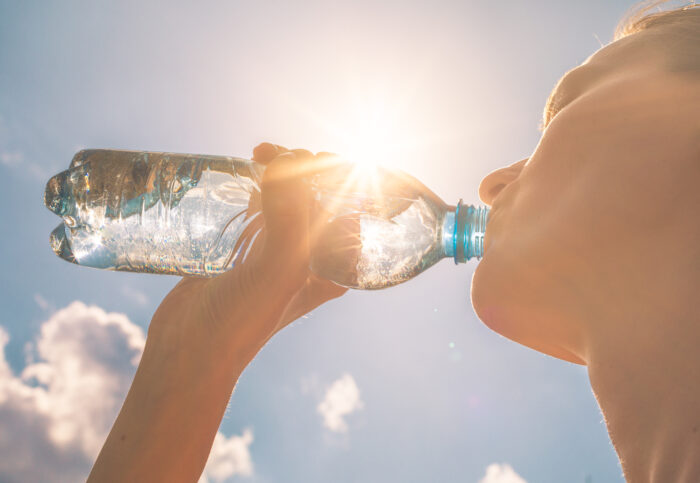
Sun exposure increases fluid loss through sweat, even when you are not exercising. Mild dehydration can occur without obvious thirst and is strongly linked to fatigue, headaches, and reduced concentration.
Along with fluids, your body loses electrolytes that are essential for nerve signalling and muscle function. When these levels drop, your body prioritises survival and cooling over energy and alertness, amplifying that drained feeling.
UV exposure and immune activation
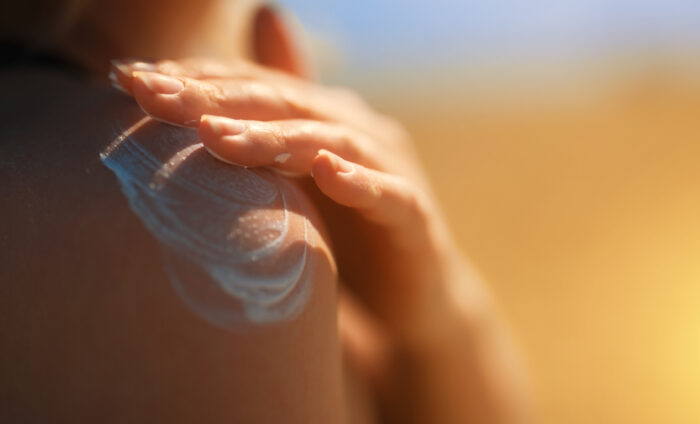
Ultraviolet radiation from the sun triggers an immune response in the skin. While this response is protective, it is also energy-intensive. Your body releases inflammatory molecules and ramps up cellular repair processes to deal with UV-induced damage.
This low-grade inflammation contributes to feelings of lethargy and is one reason sun exposure can feel similar to being mildly unwell the next day.
The crash that comes after sunset
As daylight fades, melatonin production naturally begins to rise. After a full day of intense sunlight, elevated body temperature, and physiological stress, your body leans hard into this signal.
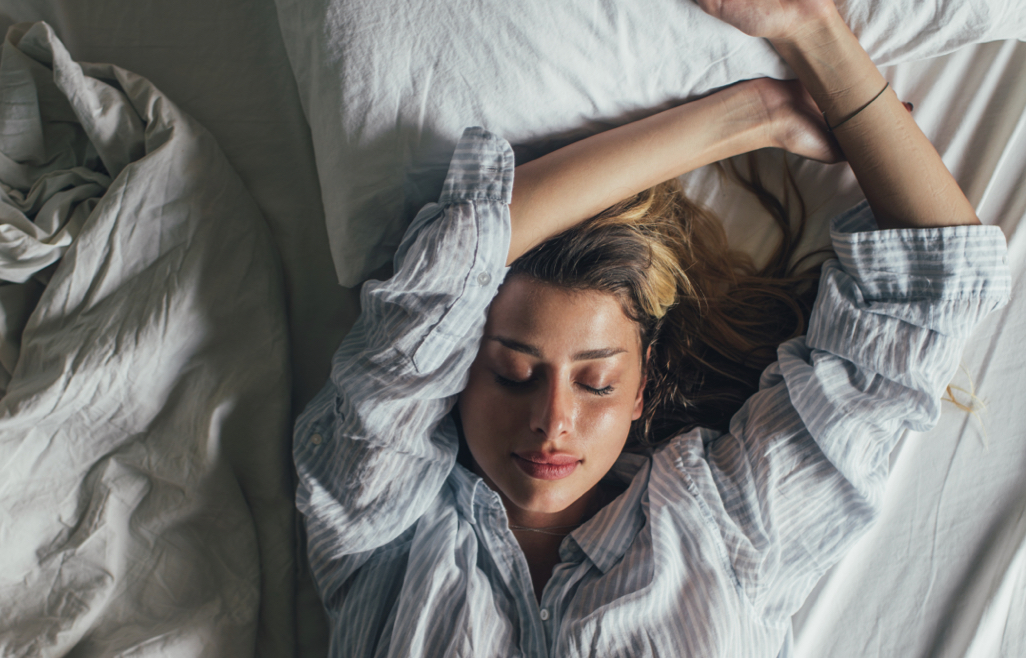
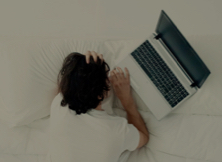
The result is that familiar post-sun crash. Heavy eyelids, slower thinking, and a strong desire for an early night or a nap are signs your body is prioritising recovery.
Why sleep matters even more after sun exposure
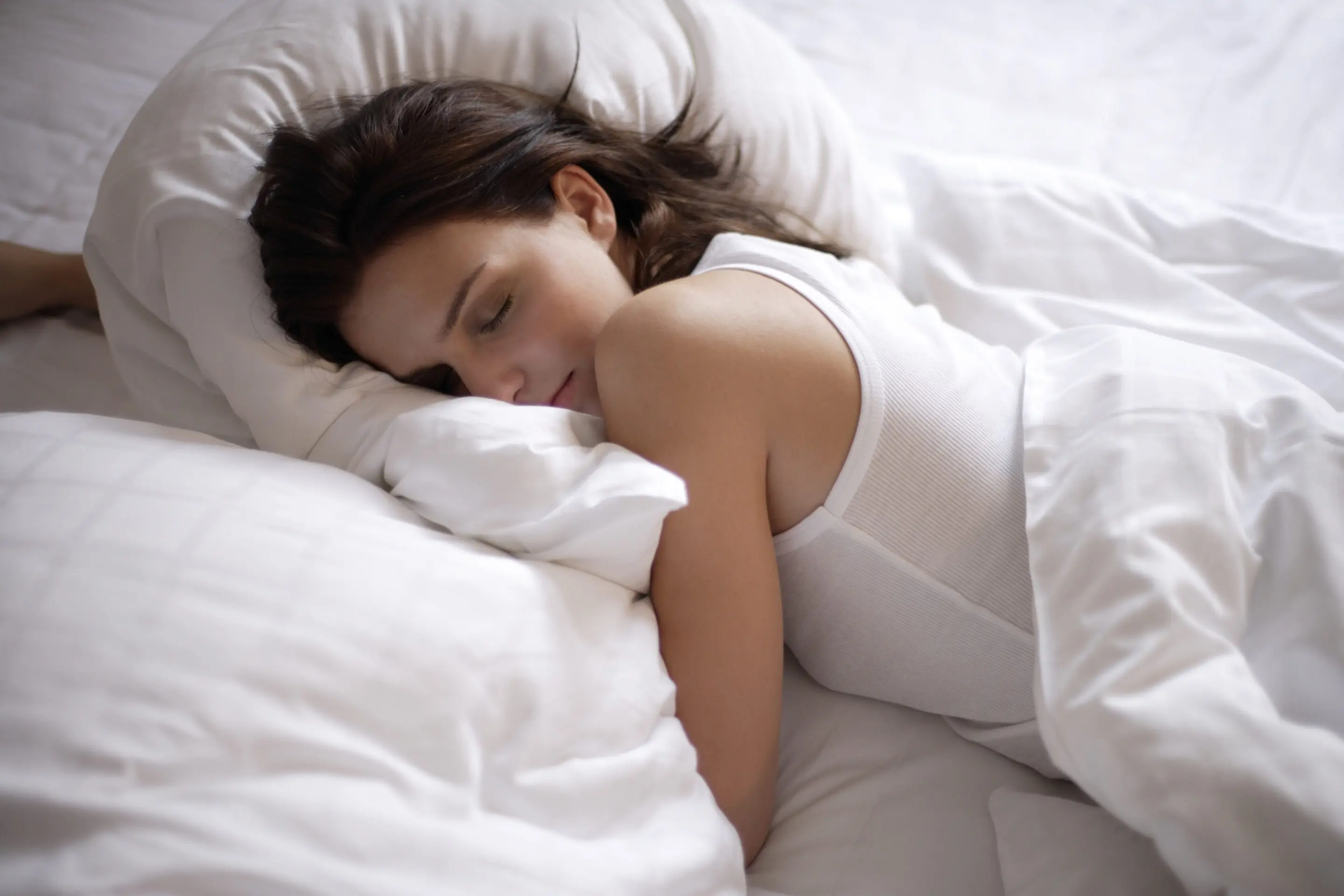
Because sun-induced fatigue is linked to thermoregulation, immune activation, and circadian rhythm shifts, quality sleep becomes critical. Deep sleep allows your core temperature to drop, tissues to repair, and energy systems to reset.
If sleep is disrupted, the fatigue can carry into the next day, creating a cycle of low energy despite plenty of sunshine.

The takeaway
Sunlight is essential for health, mood, and sleep regulation. But long, unprotected days in the sun push your body into overdrive. That drained feeling is not weakness or laziness. It is your biology asking for recovery.
Supporting your body with hydration, shade breaks, sunscreen, protective clothing and good sleep can help you enjoy the sun without paying for it in exhaustion.
Sources and Further Reading
-
Sleep Foundation. Circadian Rhythm and Sleep.
https://www.sleepfoundation.org/how-sleep-works/circadian-rhythm -
National Institute of General Medical Sciences (NIH). Circadian Rhythms.
https://www.nigms.nih.gov/education/fact-sheets/Pages/circadian-rhythms.aspx -
National Institutes of Health. Heat Stress and Body Temperature Regulation.
https://www.ncbi.nlm.nih.gov/books/NBK236240/ -
Harvard Medical School. How Light Affects Your Circadian Rhythm.
https://healthysleep.med.harvard.edu/healthy/science/how/light-darkness-affects-sleep -
Mayo Clinic. Dehydration and Fatigue.
https://www.mayoclinic.org/symptoms/dehydration/basics/symptoms/sym-20050997